Here at Tunescribers, we live and breathe notation software. We have experts in all the major applications available today – but which one is right for you?
With a plethora of options available today, it can be a daunting task to select the perfect tool. To make your decision-making process easier, we’ve compiled a comprehensive comparison of the four leading music notation apps: Sibelius, Finale, Dorico, and Musescore. Each of these apps has its own unique strengths and weaknesses, catering to different needs and preferences.
1.Sibelius: The Industry Standard

Sibelius has long been regarded as the industry standard for professional music notation (with some notable exceptions). Its robust features and intuitive interface make it a favorite among composers and arrangers worldwide. Here are some of its pros and cons:
Pros:
- Powerful Customization: Sibelius offers extensive customization options, allowing you to fine-tune every aspect of your score.
- Professional Sound Libraries: Its integrated sound libraries ensure that your playback sounds as authentic as possible.
- Mature Platform: Years of development have refined Sibelius into a stable and reliable software.
Cons:
- Learning Curve: The plethora of features can result in a steep learning curve for new users.
- Pricing: Sibelius tends to be on the higher end of the pricing spectrum.
- Subscription Model: The main way to get access to Sibelius is through a subscription plan, not an upfront purchase.
2. Dorico: The Newcomer with Innovation
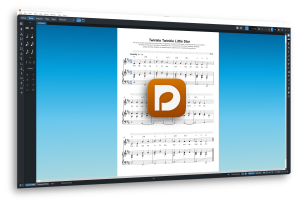
Dorico, a relatively new entrant, is making waves in the music notation software landscape. Developed by the ex-creators of Sibelius, Dorico aims to combine the best of both worlds.
Pros:
- Beautiful Defaults: Dorico is known for its aesthetically pleasing default settings, resulting in elegant scores right from the start.
- Intelligent Input: Its unique input method allows for a natural and efficient way to notate music.
- Engraving Quality: Dorico‘s advanced engraving algorithms ensure your scores look polished and professional.
Cons:
- Limited Third-Party Integration: While it’s growing, Dorico‘s third-party integration is not as extensive as other options.
- Feature Development: Some advanced features available in other apps are still being developed in Dorico.
3. Musescore Studio: The Free and Open Option
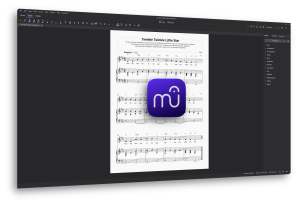
MuseScore Studio is a popular choice among beginners, educators, and hobbyists due to its open-source license and affordability – it doesn’t get much more affordable than free!
Pros:
- Free of Charge: MuseScore Studio offers a powerful notation tool without the financial barrier. There is no cost to download or use MuseScore Studio, or any of its features.
- Community Resources: Its extensive online community provides access to a wide range of user-generated scores and resources.
- Simplicity: MuseScore Studio‘s user-friendly interface makes it accessible for beginners.
- Fast updates: The developers of MuseScore Studio are fast to respond to feedback, and the app is getting rapid updates to engraving quality, playback and useability.
Cons:
- Limited Advanced Features: It may lack some of the advanced features that professionals require.
Sound Quality: The default sound library may not be as impressive as those in premium software. We’re pleased to say that as of 2024, this is no longer true! MuseScore Studio has industry leading playback, out of the box.- Bugs: As a community led project, there are a number of bugs that sometimes creep in. However, as mentioned above, these are often quick to be addressed!
Finale: The Versatile Classic – Now Dead!

Finale was a veteran in the world of music notation software – before it was discontinued in August 2024. It was known for its versatility and extensive feature set, but sadly, Finale is no more.
Existing users can continue to use it, but it is no longer available to new users, and it will cease to get any updates. Check out this blog post from Tunescribers to learn more.
Collaborative Harmony: Syncing with Your Creative Circle

In the journey of music creation, collaboration plays a pivotal role in shaping your compositions. When choosing the perfect music notation app, a vital consideration is often the compatibility with your creative collaborators. Opting for the same app as those you frequently work with can lead to smoother workflows and harmonious collaborations.
- Seamless Sharing: By using the same music notation app as your collaborators, sharing and exchanging files becomes effortless, avoiding compatibility issues.
- Consistency: A shared app ensures consistent notation styles, layout preferences, and playback expectations among team members.
Choosing the same music notation app as your collaborators can streamline communication, enhance teamwork, and lead to more polished end results. Whether it’s your musical team, bandmates, teacher and students, or professional colleagues, aligning your choice of software can create a unified foundation for your creative endeavors.
You might also want to consider using one of the great online notation editors that have been cropping up in recent years.
Remember, our custom sheet music services are here to assist both solo endeavors and collaborative projects. We offer transcription and arrangement services that cater to your unique musical goals. Additionally, we can provide native files for all notation apps upon request, ensuring that you and your collaborators can seamlessly integrate your work across various platforms.

So, while evaluating the array of music notation apps available, consider the power of collaboration in your decision-making process. Select the software that not only resonates with your individual needs but also resonates with the creative hearts of those you collaborate with most closely. Together, you can turn musical ideas into symphonies that inspire and captivate.